When Games Become Social – The Boundaries Between Entertainment and Interaction


When Games Become Social – The Boundaries Between Entertainment and Interaction
As gaming moves from the living room to the online world—and from solo play to shared experiences—our relationship with games is changing. Games are no longer just a pastime; they’ve become social spaces where people meet, collaborate, and compete. The boundaries between entertainment and interaction are blurring, raising new questions: When do we play for fun—and when do we play to connect?
From Arcades to Online Communities
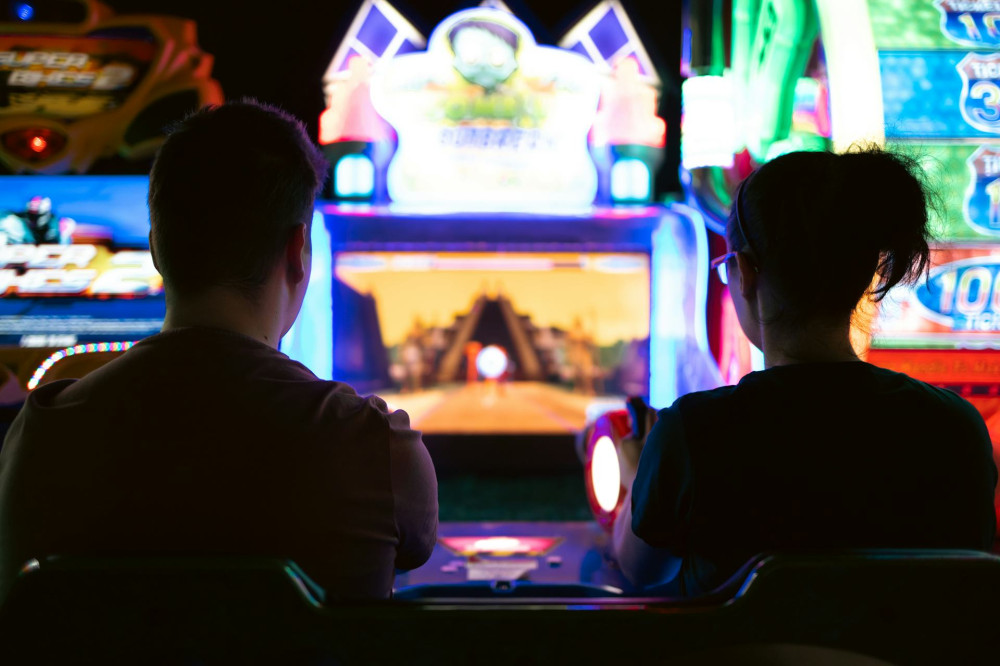
In the 1980s, gamers crowded around arcade machines, competing for high scores. Today, most gaming happens online, but the social element remains central. Titles like Fortnite, League of Legends, and Call of Duty: Warzone have built global communities where players communicate, strategize, and form teams—often across continents.
Even games that seem solitary include social features: leaderboards, chat systems, and virtual events. It’s no longer just about winning; it’s about belonging to something larger.
Læs også:



Games as Modern Social Spaces
For many Americans—especially younger generations—games have become a new kind of social gathering place. Where people once met at the mall, the park, or the local diner, they now meet in virtual worlds. Players talk, collaborate, and share experiences without ever being in the same physical space.
This shift became especially visible during the COVID-19 pandemic, when games helped people stay connected. Titles like Among Us and Animal Crossing: New Horizons turned into digital hangouts where friends could laugh, chat, and feel close despite the distance.
When Gaming Becomes Part of Identity
Gaming is no longer just a hobby—it’s part of who people are. Players express themselves through the games they play and the communities they join. Esports teams and streamers have created fan cultures similar to those around traditional sports, with millions tuning in to watch tournaments or follow their favorite players on Twitch and YouTube.
Streaming and social media have made gaming a shared experience. It’s not only about playing anymore—it’s about watching, commenting, and participating in the conversation around games.
The Blurred Line Between Games and Social Media
Modern games increasingly resemble social networks. Players can message each other, share screenshots, and follow friends’ progress. At the same time, social media platforms have borrowed gaming mechanics—points, badges, and rewards—to keep users engaged.
This crossover means that gaming is no longer purely entertainment; it’s also a form of social interaction. It can strengthen communities, but it also brings challenges such as addiction, performance pressure, and the expectation of constant availability.
When Games Become Too Social
While the social side of gaming can be positive, it can also create pressure to always be “online.” Many multiplayer games reward regular participation, which can make players feel obligated to log in for the sake of their teammates or guilds.
Constant communication can also lead to conflicts, harassment, or burnout—especially in competitive environments. These issues highlight the need to find a balance between gaming as entertainment and gaming as social engagement.
A New Kind of Community
As games become more social, they reshape how we connect. They create new relationships, new ways to collaborate—and new challenges. For some, gaming is a path to friendship and creativity; for others, it can be a source of stress or dependency.
The future of gaming likely lies in this balance: between play and togetherness, between competition and cooperation. Games are no longer just a way to pass the time—they’ve become an integral part of our social lives.
Læs også: