Themes and Visual Styles: Variety as the Key to a Diverse Game Selection

Themes and Visual Styles: Variety as the Key to a Diverse Game Selection
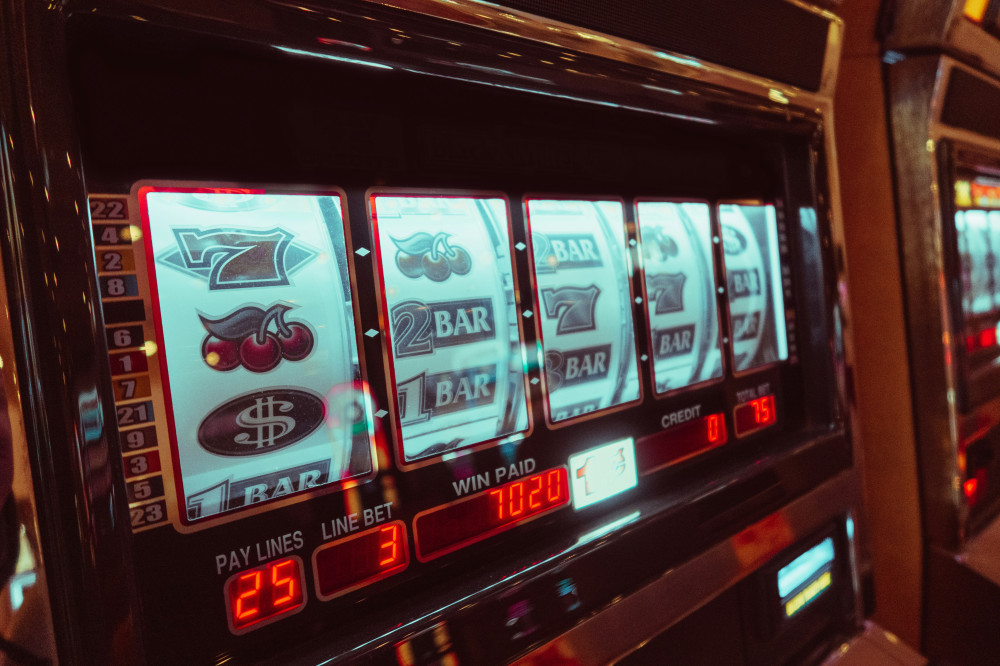
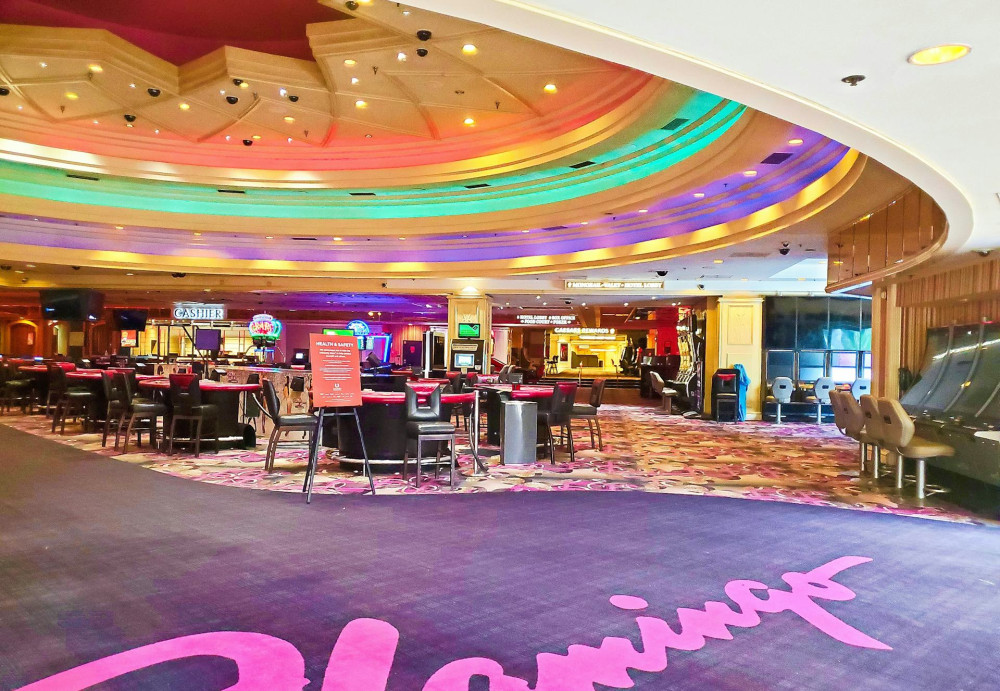
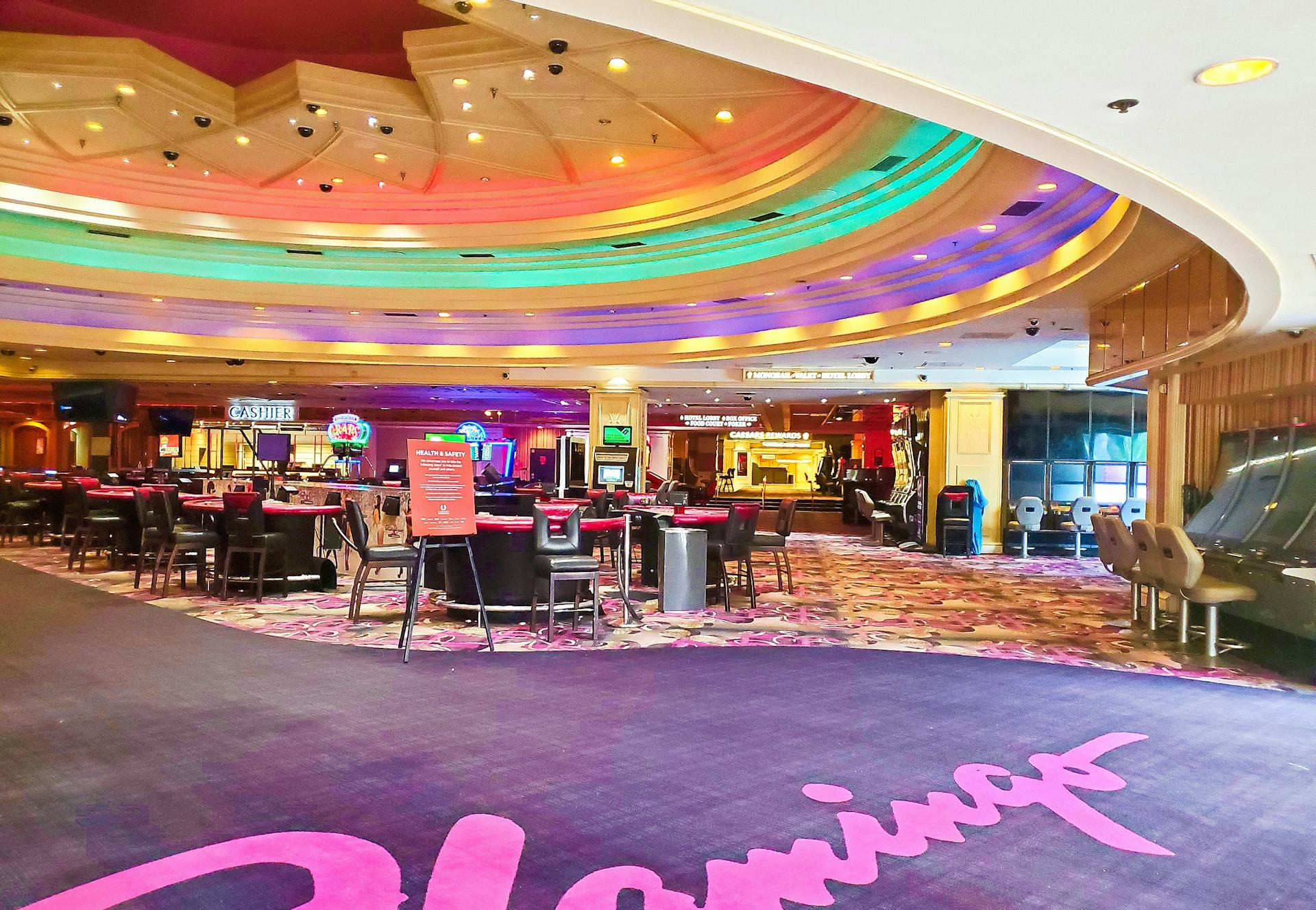
When visiting an online casino or gaming platform, it’s often the visuals and themes that first grab your attention. From classic fruit symbols to adventurous fantasy worlds and futuristic cityscapes, the range of styles is enormous—and that diversity is one of the main reasons players keep coming back. A strong game selection isn’t just about quantity; it’s about offering experiences that appeal to different moods, interests, and player types.
The Role of Theme in the Gaming Experience
A game’s theme is more than decoration—it sets the tone and shapes how players engage with the experience. An ancient Egyptian adventure filled with pharaohs and pyramids evokes a very different feeling than a neon-lit cyberpunk city pulsing with electronic beats. The theme gives the game a narrative framework, helping players immerse themselves in its world and connect emotionally with what’s happening on screen.
Developers often design themes with specific audiences in mind. Some players are drawn to nostalgia and prefer classic slot machines with simple symbols and familiar sounds, while others seek cinematic experiences with characters, storylines, and dynamic animations. This range of creative expression is what keeps a game library vibrant and engaging.
Visual Styles – From Minimalism to Immersion
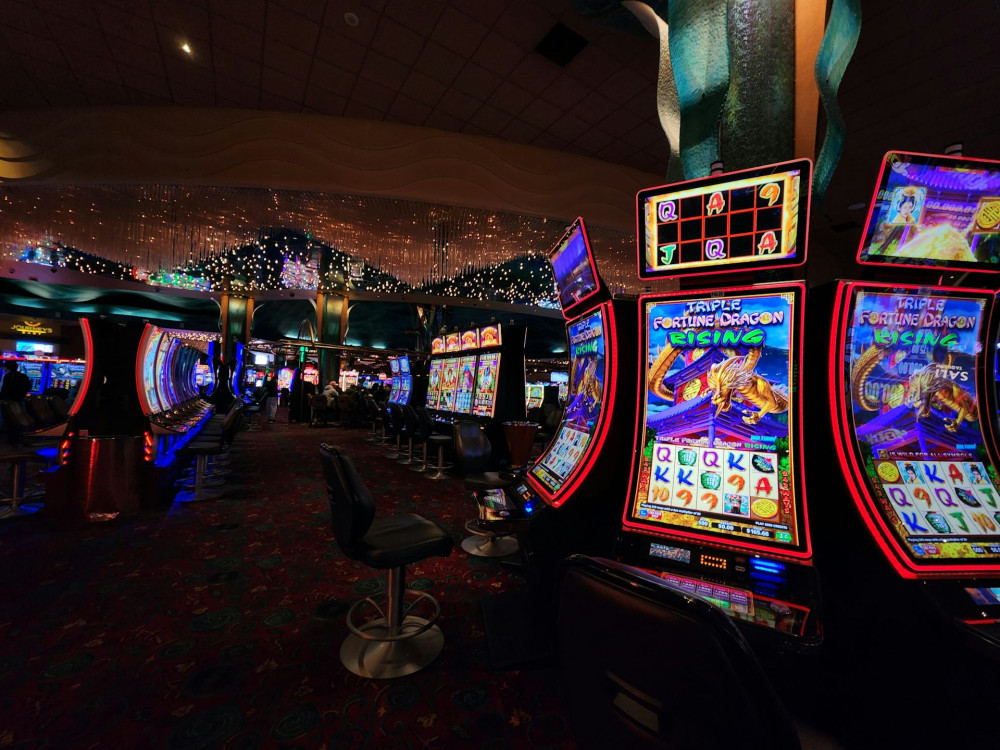
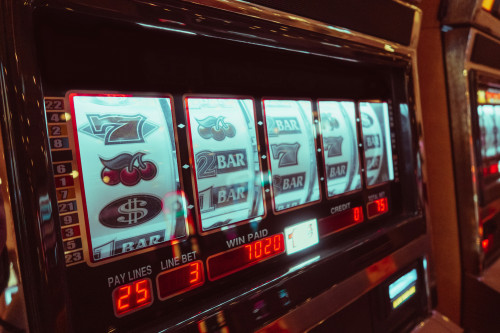
Graphics play a central role in how a game feels. Some titles embrace a clean, minimalist look that highlights the mechanics and symbols, while others go all-in with detailed backgrounds, 3D animations, and effects that make the game feel like a full-fledged video game.
The visual style shouldn’t just impress—it should support the gameplay. A calm, uncluttered design works well for strategy-based games that require focus, while bright, fast-moving visuals fit better with quick, high-energy slots. Striking the right balance between aesthetics and usability ensures that players enjoy both the look and the flow of the game.
Sound and Atmosphere as Part of the Whole
While visuals often take center stage, sound is just as important in shaping the experience. Music and sound effects can amplify a theme and create a sense of presence. A beach-themed game feels more authentic with the sound of waves and seagulls, while a fantasy adventure gains depth from orchestral music and magical tones.
The best games use sound as a tool for immersion, not distraction. A well-crafted audio design can make the difference between a game you play once and one you return to again and again.
Variety as a Strategic Advantage
For gaming providers, variety isn’t just an artistic choice—it’s a strategic one. A wide range of themes and visual styles ensures that more players find something that resonates with them. Some seek relaxation, others excitement or challenge. By offering different moods and aesthetics, a platform can create an experience that feels personal and dynamic.
Variety also allows developers to stay current with trends. When new movies, TV shows, or cultural phenomena capture public attention, game creators can quickly design titles that reflect those interests. This keeps the selection fresh and encourages players to explore new content.
Læs også:



An Experience Beyond the Game Itself
Ultimately, themes and visual styles are about creating a complete experience. A great game doesn’t just entertain—it sparks curiosity, emotion, and a sense of wonder. When variety is embraced, players can choose games that match their mood and taste, making the overall selection feel rich and alive.
Variety isn’t only about design—it’s about understanding that players are diverse. Recognizing that diversity is the key to building a gaming universe that continues to captivate, whether players come for the thrill, the artistry, or simply the joy of play.
Læs også: