Fairness in Casinos: How to Gain a Realistic Understanding as a Player


Fairness in Casinos: How to Gain a Realistic Understanding as a Player
When you walk into a casino—whether on the Las Vegas Strip or on your phone—it’s easy to get swept up in the lights, sounds, and promises of big wins. But behind the entertainment lies a complex system of probabilities, regulations, and technology that determines how fair the games really are. To gain a realistic understanding as a player, it’s important to know how casinos operate and what “fairness” truly means in this context.
What Fairness Means in Casino Games
Fairness in the casino world doesn’t mean that everyone has an equal chance of winning every time. Instead, it means that the games operate according to transparent and predictable principles. A fair game is one where the outcome is determined purely by chance and cannot be manipulated by either the player or the casino.
In practice, this means:
- Random Number Generators (RNGs) ensure that every spin, card draw, or dice roll in digital games is independent and unpredictable.
- Return to Player (RTP) percentages show how much of the money wagered is paid back to players over time, on average.
- Licensing and regulation by recognized authorities ensure that casinos follow strict rules for transparency and responsible operation.
Understanding these mechanisms helps you recognize when a casino is playing fair—and when it might not be.
The Myth of “Luck” and the Human Factor
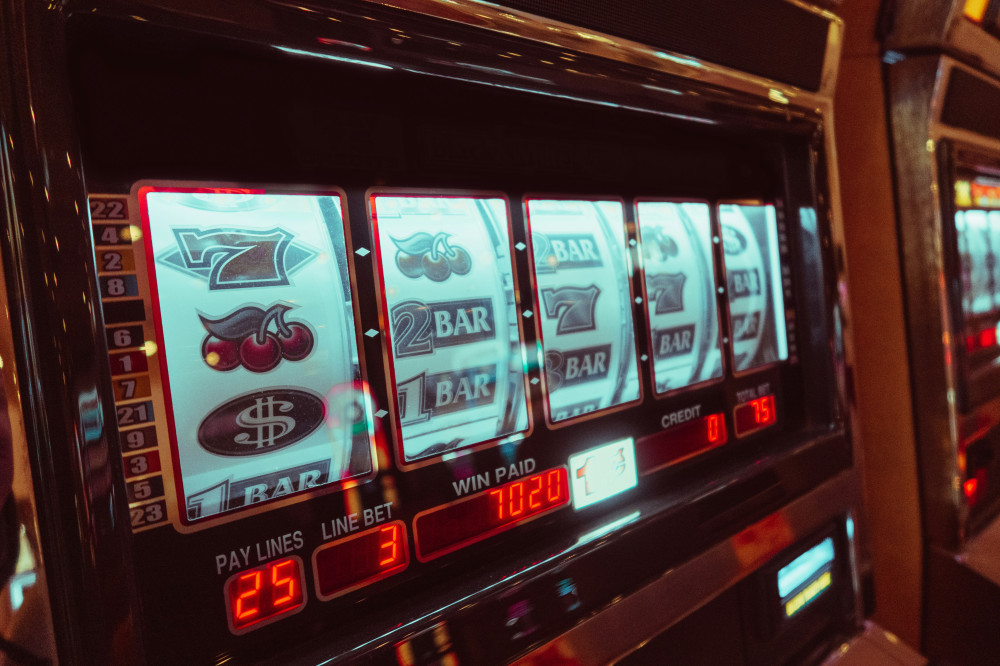
Many players believe they can sense when a slot machine is “hot” or that their luck will turn after a losing streak. In reality, each outcome is independent of the last. There’s no hidden rhythm or pattern to decode.
Casinos often design games to appeal to our psychological instincts—for example, by offering small, frequent wins that make us feel close to hitting the jackpot. This isn’t unfair; it’s part of the entertainment design. But it’s a reminder that gambling is about enjoyment, not guaranteed profit.
How to Tell if a Casino Is Fair
If you want to play with a realistic understanding, there are a few key things to look for:
- Licensing and regulation: Reputable casinos in the U.S. are licensed by state gaming commissions, such as the Nevada Gaming Control Board or the New Jersey Division of Gaming Enforcement. These agencies monitor operations and enforce fairness standards.
- Independent testing: Look for certifications from testing organizations like eCOGRA, GLI, or iTech Labs, which verify that games operate correctly and randomly.
- Transparent RTP information: Casinos that clearly display payout percentages show a commitment to openness.
- Responsible gaming tools: Fair casinos provide options to set deposit limits, time limits, and self-exclusion features to help players stay in control.
Checking these factors can help you distinguish between trustworthy casinos and those that overpromise or operate in gray areas.
Læs også:



Realistic Expectations: The Key to a Healthy Gambling Experience
Even in the fairest casinos, the odds are always slightly in favor of the house. This built-in advantage—known as the house edge—ensures that the casino makes a small profit over time. That doesn’t mean you can’t win, but it does mean that gambling should be viewed as entertainment, not as a way to make money.
Set a budget, play for fun, and stop when it stops being enjoyable. That mindset is the foundation of responsible and realistic play.
Technology’s Role in Modern Fairness
As online casinos and mobile gaming have grown, so has the technology that ensures fairness. Some platforms now use blockchain and provably fair systems, allowing players to verify that outcomes are truly random. This innovation represents a step toward greater transparency and trust in the industry.
At the same time, digital oversight makes it easier for regulators to monitor operators and intervene when irregularities occur. For players, that means fairness today can be verified—not just assumed.
A Realistic Understanding Leads to Better Play
Understanding fairness in casinos isn’t about finding a secret path to winning—it’s about knowing how the games work. When you grasp the principles of probability, regulation, and transparency, you can play with confidence and enjoy the experience for what it is: entertainment with a touch of excitement.
Fairness in casinos isn’t a promise of profit—it’s a promise of honesty. And that knowledge is what makes you a more informed, realistic, and responsible player.
Læs også: