Lotto Through the Ages – From Historic Lotteries to Modern Games

Lotto Through the Ages – From Historic Lotteries to Modern Games
For many Americans, buying a lottery ticket is a small weekly ritual — a moment of hope that a few lucky numbers might change everything. But the story of lotto stretches back centuries, long before televised drawings and smartphone apps. From Renaissance city-states to today’s billion-dollar jackpots, lotteries have evolved alongside society, technology, and our enduring fascination with chance.
Early Lotteries – From Civic Projects to Colonial America
The roots of the lottery can be traced to 15th-century Europe, where cities in Italy and the Low Countries organized drawings to raise funds for public works such as fortifications, canals, and hospitals. The prizes ranged from cash to valuable goods, and the proceeds often supported civic improvements rather than private profit.
By the 17th and 18th centuries, the idea had crossed the Atlantic. In colonial America, lotteries were a common way to finance public projects. Harvard, Yale, and Princeton all benefited from lottery funds, and even George Washington once managed a lottery to help build roads in Virginia. These early games were seen as a practical and moral way to raise money without imposing taxes.
The Rise, Fall, and Return of American Lotteries
By the 19th century, lotteries had become widespread across the United States. However, corruption and fraud — particularly in privately run games — led to growing public distrust. In 1890, Congress banned the mailing of lottery materials, effectively shutting down most operations. For nearly a century, legal lotteries disappeared from the American landscape.
The modern revival began in 1964, when New Hampshire introduced the first state-run lottery in the U.S. since the 1800s. Other states soon followed, seeing lotteries as a way to fund education and public services without raising taxes. By the end of the 20th century, nearly every state had joined in, and the lottery had become a fixture of American life.
From Paper Tickets to National Jackpots
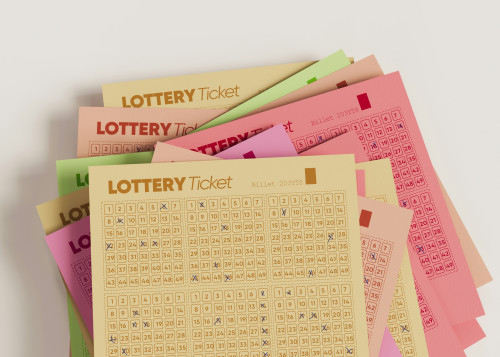
The 1970s and 1980s saw the rise of televised drawings and standardized number games. Players would pick a set of numbers and wait for the weekly broadcast to see if fortune smiled their way. The excitement of watching the numbered balls tumble in the machine became a shared cultural moment.
In the 1990s, multi-state games like Powerball and Mega Millions transformed the landscape. By pooling players across states, these lotteries created record-breaking jackpots that captured national attention. Suddenly, the dream wasn’t just a few million dollars — it was hundreds of millions, even over a billion.
The Digital Revolution
The internet and mobile technology have changed how Americans play. Today, many states allow players to buy tickets online, check results instantly, and even set up subscriptions. Apps send notifications when jackpots grow, and digital randomizers can pick numbers automatically.
Technology has also made the drawings themselves more transparent and secure, replacing mechanical drums with computer algorithms and live-streamed events. Yet despite the modernization, the essence of the game remains the same: a simple wager on luck and possibility.
Læs også:

Lotto as a Cultural Phenomenon
Lotteries have become woven into American culture. They appear in movies, TV shows, and everyday conversations — shorthand for sudden fortune and the “what if” daydream. Sociologists note that the lottery offers a socially acceptable form of hope: a small investment in a big dream.
At the same time, state lotteries continue to serve a public purpose. Billions of dollars in proceeds go toward education, infrastructure, and community programs each year. For many, buying a ticket feels like both a personal gamble and a civic contribution.
From Hand-Drawn Lots to Digital Dreams
From the first civic lotteries of Renaissance Europe to today’s billion-dollar Powerball drawings, the story of lotto mirrors the evolution of society itself. What began as a tool for funding public works has become a global pastime powered by technology and imagination.
The tools have changed — from wooden drums to digital algorithms — but the dream endures. Every ticket, every drawing, every hopeful glance at the numbers carries the same timeless question: what if this time, it’s me?
Læs også: