A Draw with a Twist: When Luck Meets Strategy in Lottery Games

A Draw with a Twist: When Luck Meets Strategy in Lottery Games
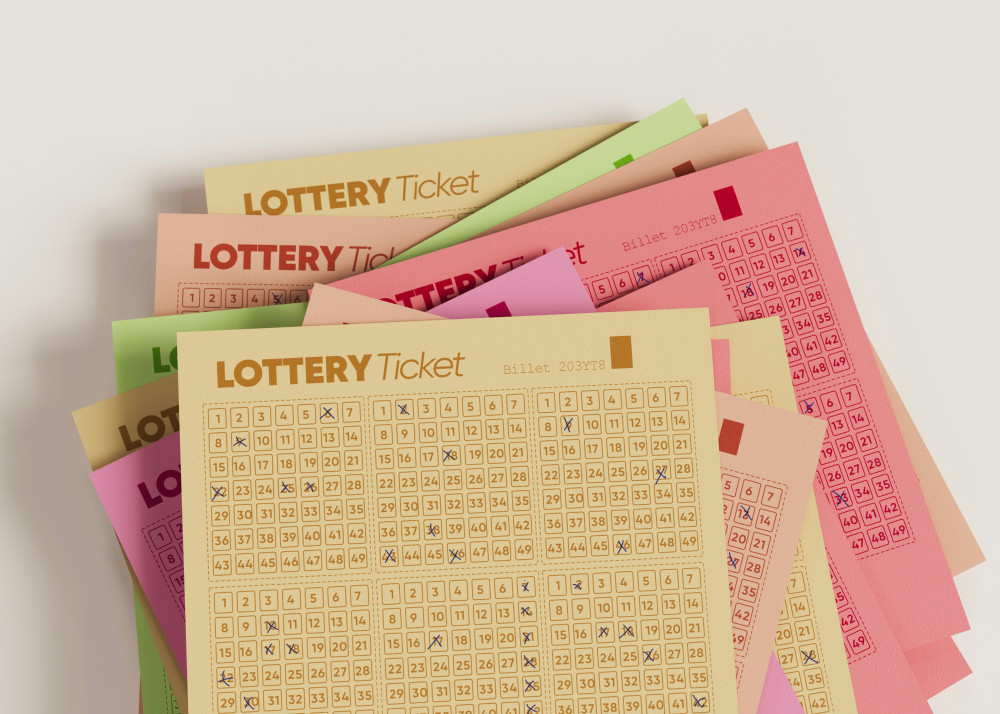
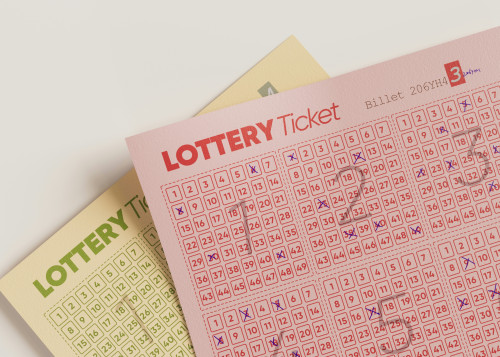
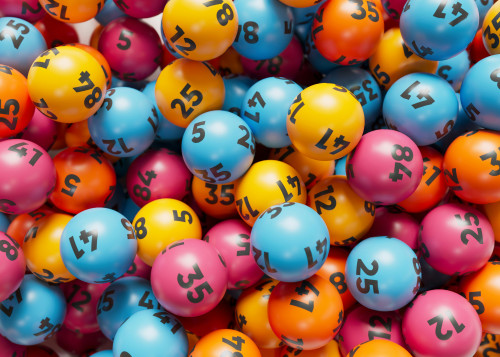
Most people think of lottery games as pure chance — a matter of luck where numbered balls tumble and fate decides the outcome. But behind the colorful tickets and the dream of instant wealth lies a subtle layer of strategy. While no one can predict the winning numbers, players can make choices that shape how they experience the game — financially and emotionally. Let’s take a closer look at how luck and strategy meet in the world of American lotteries.
The Allure of Luck — and Why We Chase It
Humans have always been fascinated by games of chance. From ancient dice to modern Powerball and Mega Millions drawings, the thrill of the unpredictable has been part of our culture. The lottery offers a unique mix of hope, excitement, and community — a small ticket to a big dream.
Psychologically, it’s not just about money. It’s about anticipation. The time between buying a ticket and the drawing itself creates a sense of possibility that many find just as rewarding as the prize. That’s why lotteries continue to thrive, even though the odds of hitting the jackpot are astronomically low.
Strategy in a Game of Chance
Even though the outcome of a lottery is random, there’s still room for smart play. It’s not about “beating the system,” but about playing wisely.
- Choose less popular games: Some state lotteries have smaller player pools, which means fewer people to share the prize with if you win.
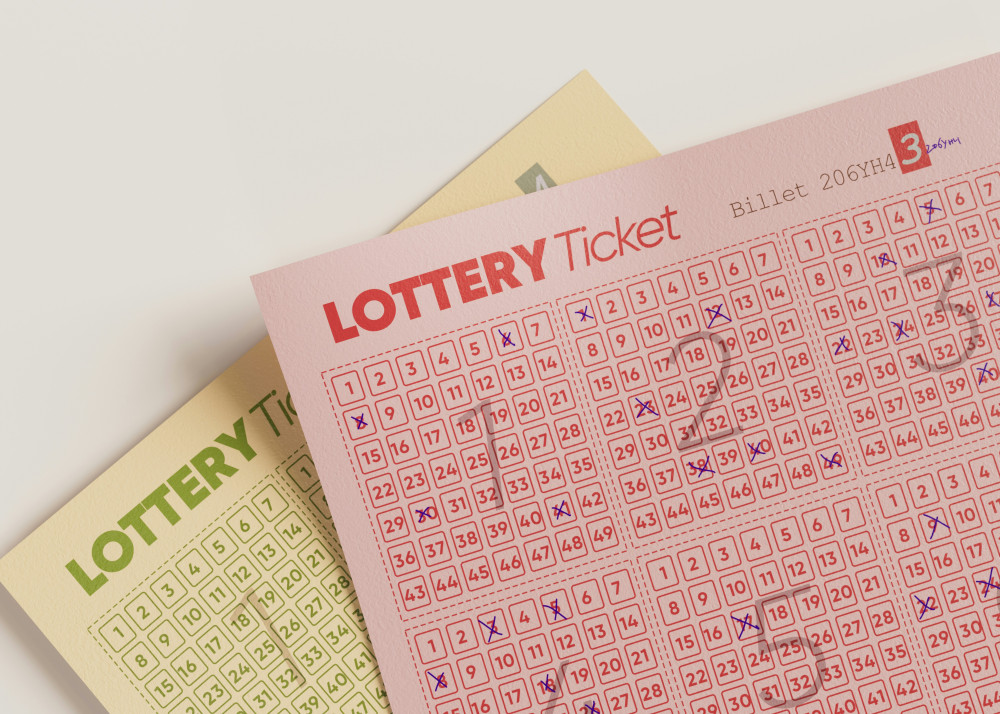
- Avoid common number patterns: Many players pick birthdays or anniversaries, limiting their choices to numbers between 1 and 31. Choosing a wider range can reduce the chance of splitting a prize.
- Play consistently — but responsibly: Some players stick with the same numbers every draw. It doesn’t increase the odds, but it ensures you won’t miss out if your numbers finally come up.
- Set a budget: The most important strategy is to play within your means. The lottery should be entertainment, not an investment plan.
When Math Meets Dreams
The math behind lotteries is unforgiving: the odds of winning a major jackpot can be one in hundreds of millions. Yet millions of Americans play every week. Why? Because the dream is stronger than the numbers.
Studies show that many players understand the low odds but see the lottery as a small luxury — a momentary escape from daily routines. For a few dollars, they buy a sense of hope, a “what if” that fuels imagination and conversation.
Læs også:
New Forms of Play — and New Strategies
As technology evolves, so do lotteries. Online platforms now offer everything from multi-state drawings to subscription services and group play options. These innovations open new ways to think strategically.
- Lottery pools and syndicates: Joining with coworkers or friends allows you to buy more tickets and increase your chances — though you’ll share any winnings.
- Subscriptions and automatic entries: These ensure you never miss a draw, but they require discipline to keep spending in check.
- Charity-linked lotteries: Some games support good causes, letting players feel they’re contributing to something meaningful even if they don’t win.
The Emotional Side of the Game
Playing the lottery is as much about emotion as it is about numbers. Anticipation, excitement, and hope drive participation — but they can also lead to disappointment if expectations aren’t realistic. Keeping perspective is key: the lottery is entertainment, not a financial strategy.
A healthy approach is to treat it as a small ritual — a moment of fun and possibility. That mindset helps players enjoy the experience without being consumed by the chase for a win.
Where Luck and Strategy Meet
In the end, the lottery is a meeting point between luck and strategy. You can’t control the draw, but you can control how you play. By making thoughtful choices, setting limits, and focusing on the enjoyment of the game itself, you can get more out of the experience — win or lose.
Perhaps that’s the real prize of the lottery: the shared excitement, the fleeting hope, and the reminder that sometimes, even the smallest chance can make us dream big.
Læs også: