The Casino as a Stage – Power, Luck, and Fate in Casino Culture

The Casino as a Stage – Power, Luck, and Fate in Casino Culture
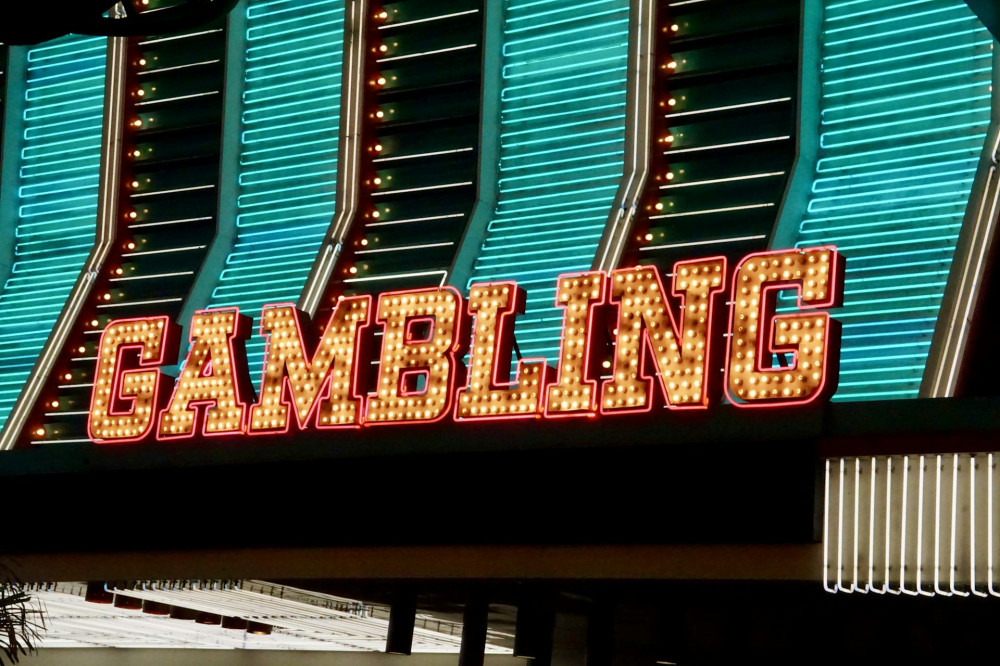
The casino is one of the most striking symbols of modern entertainment – a place where glamour, risk, and psychology converge. Here, people from every walk of life gather in pursuit of the same elusive thrill: the feeling of mastering fate, even when everything depends on chance. Yet behind the flashing lights and velvet ropes lies a complex cultural landscape, where power, luck, and human behavior intertwine in fascinating ways.
A Space of Dreams and Illusions
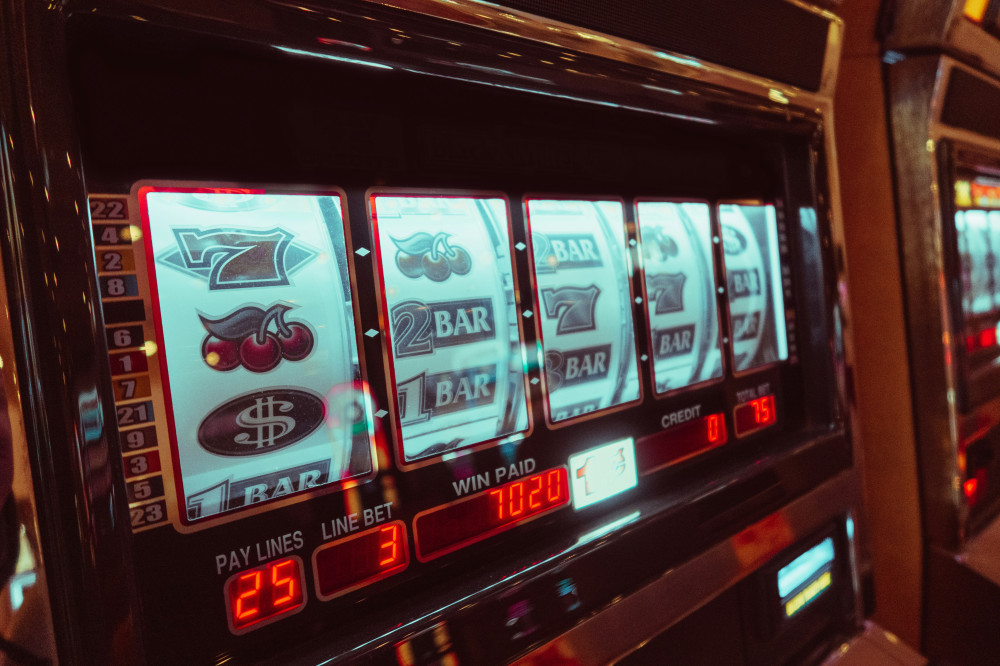
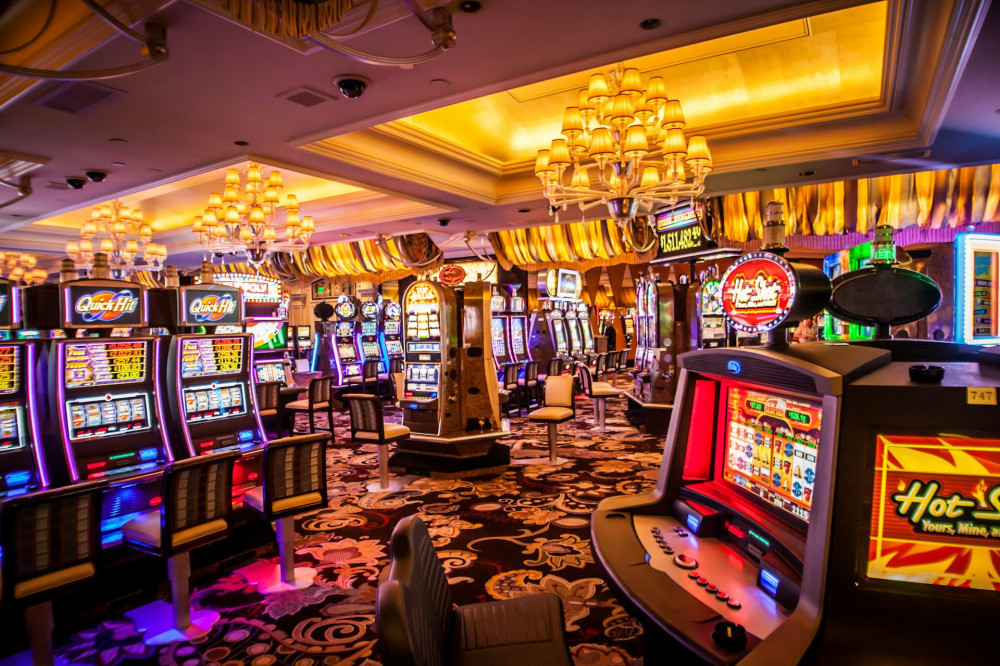
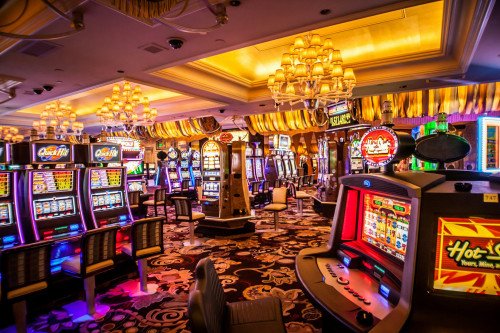
Stepping into a casino is like stepping into another world – one meticulously designed to seduce. The architecture, lighting, music, and even the scent in the air are crafted to create a sense of timelessness and possibility. There are no clocks, no windows, no reminders of the outside world – only the game, the tension, and the hope.
The casino functions as a modern myth: a place where anyone can strike it rich in an instant, where fortune can rewrite destiny. It’s a story that appeals to deep-seated American ideals of freedom, self-determination, and reinvention. But beneath that dream lies a paradox. The house always has the edge, and the illusion of control is part of the magic that keeps the game alive.
The Theater of Power
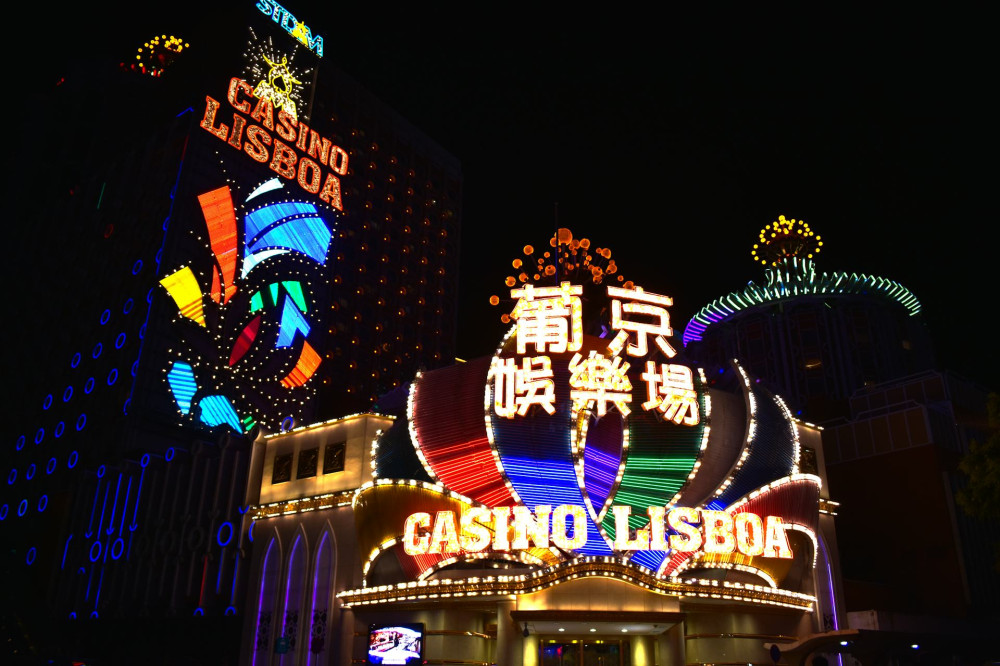
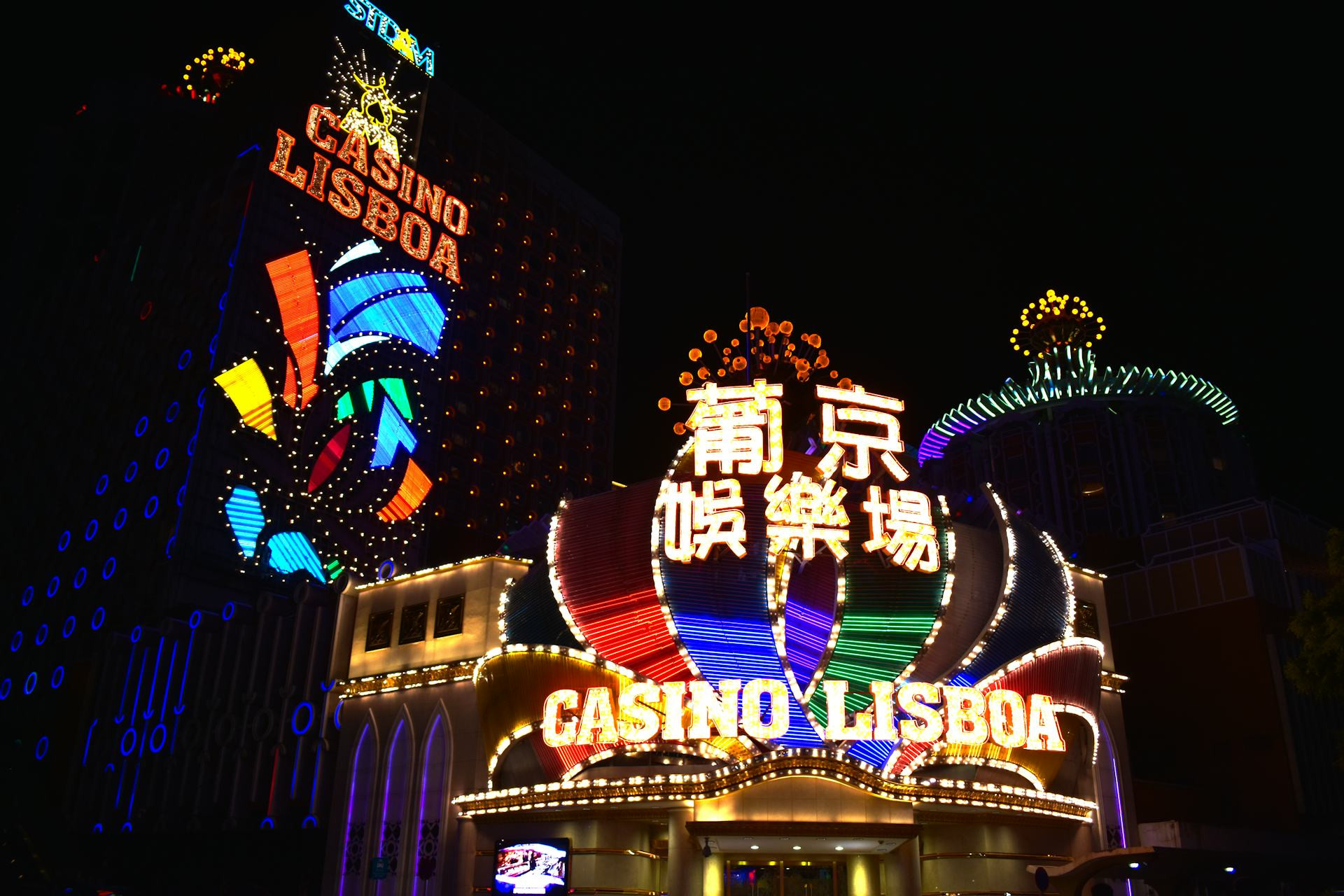
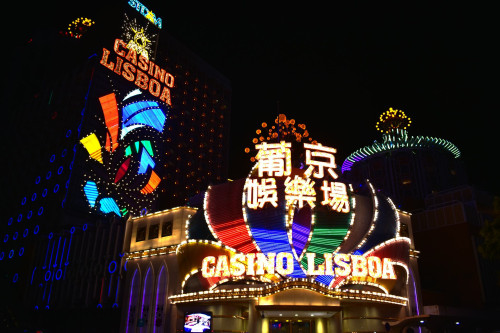
Casinos are not just about money; they are about power and performance. In Las Vegas, Atlantic City, or tribal casinos across the country, everything is staged like a grand production. The high rollers are treated like royalty – private tables, luxury suites, personal hosts – not only because they wager large sums, but because their presence embodies success and status.
At the same time, the casino mirrors the hierarchies of society. Dealers, pit bosses, security guards, and cocktail servers form the invisible machinery that keeps the illusion running smoothly. Power in the casino is not only about who wins or loses, but about who controls the experience – who feels welcome, who feels lucky, and who becomes part of the story.
Læs også:
The Psychology of Luck
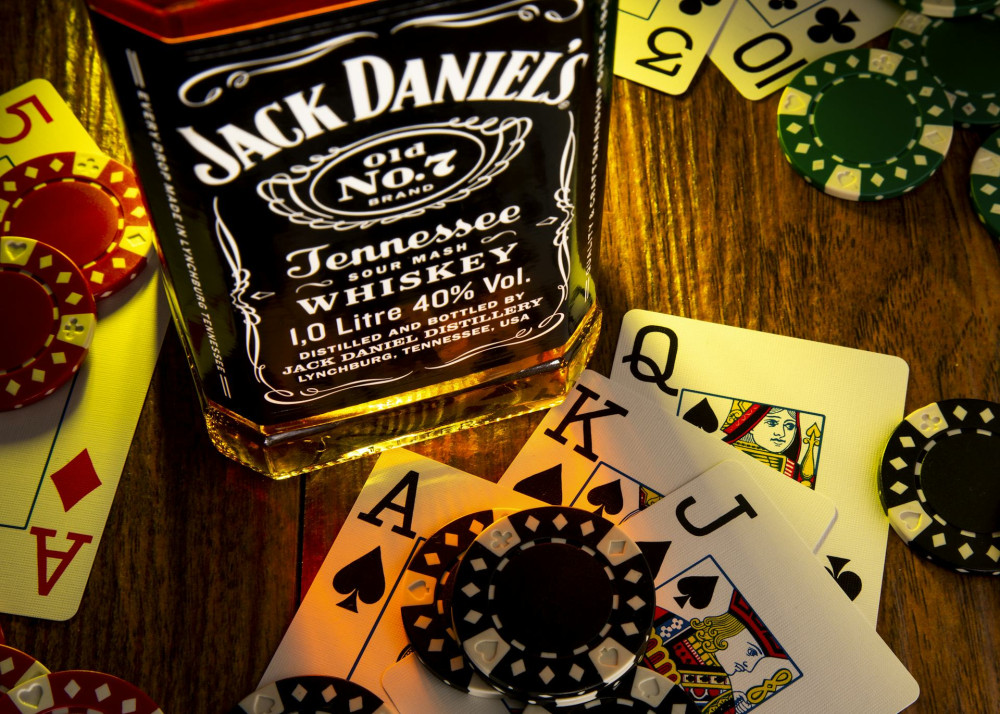
Luck is the casino’s true currency. But what does it mean to be lucky? Psychologically, luck is often about perception – how we interpret randomness. Humans are wired to see patterns where none exist, to believe that a ritual or a hunch can influence an outcome that is purely statistical.
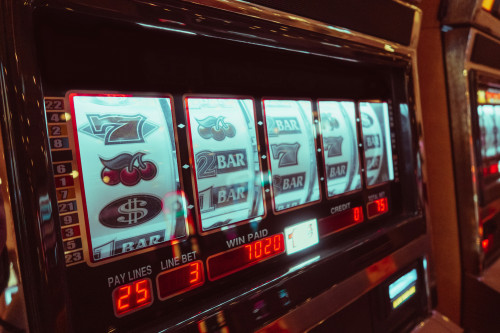
This illusion of control is central to casino culture. Players develop superstitions, lucky charms, and betting systems that give them a sense of agency. It makes the game more thrilling – and more addictive. When luck finally strikes, it feels like proof that the belief was justified all along. That emotional payoff is what keeps people coming back.
Fate and Self-Narrative
For many, the casino becomes a stage where life’s grand themes play out in miniature: hope, loss, courage, and fate. Some see gambling as a metaphor for life itself – a place where one must take risks, accept uncertainty, and live with the consequences.
In American film and literature, the casino often serves as a backdrop for existential drama. From the smoky poker rooms of classic noir to the neon spectacle of modern Las Vegas, it’s where heroes and hustlers meet, where love and betrayal intertwine, where luck and downfall share the same table. The casino endures as a symbol of humanity’s eternal struggle with chance – and with itself.
From Glamour to the Digital Frontier
Today, casino culture has expanded far beyond the physical floor. Online casinos, sports betting apps, and digital slot machines have made gambling accessible anywhere, anytime. This democratization of play has opened new opportunities – and new risks. The social experience of the casino has given way to solitary screens, where the thrill is private, and the losses invisible.
Yet the fascination persists. Whether in a Las Vegas resort or on a smartphone, the essence remains the same: the dream of defying fate, of turning chance into destiny, if only for a moment.
Between Control and Chaos
The casino is more than a place to gamble. It is a mirror reflecting our relationship with risk, power, and meaning. It shows how deeply we crave control in a world that is, at its core, unpredictable. And perhaps that is why the casino continues to captivate us – because it reminds us that life itself is a game of chance, and every decision we make is, in its own way, a bet.
Læs også: