Free Games as Learning – Understanding the Difference Between Entertainment and Financial Risk


Free Games as Learning – Understanding the Difference Between Entertainment and Financial Risk
Free online games have become a regular part of everyday life for many Americans. They’re everywhere – from mobile apps and social media to online casinos offering “demo” versions of their games. For some, they’re pure entertainment; for others, a way to learn the rules before deciding whether to play for real money. But where is the line between harmless fun and financial risk? And how can free games be used as a tool for learning rather than a gateway to gambling?
Free Games as a Learning Tool
When you play for free, the goal isn’t to win money – it’s to understand how the game works. Many online platforms offer free versions of their games so players can explore the rules, features, and strategies without spending a dime. This can be a great way to learn what influences outcomes and how different decisions affect results.
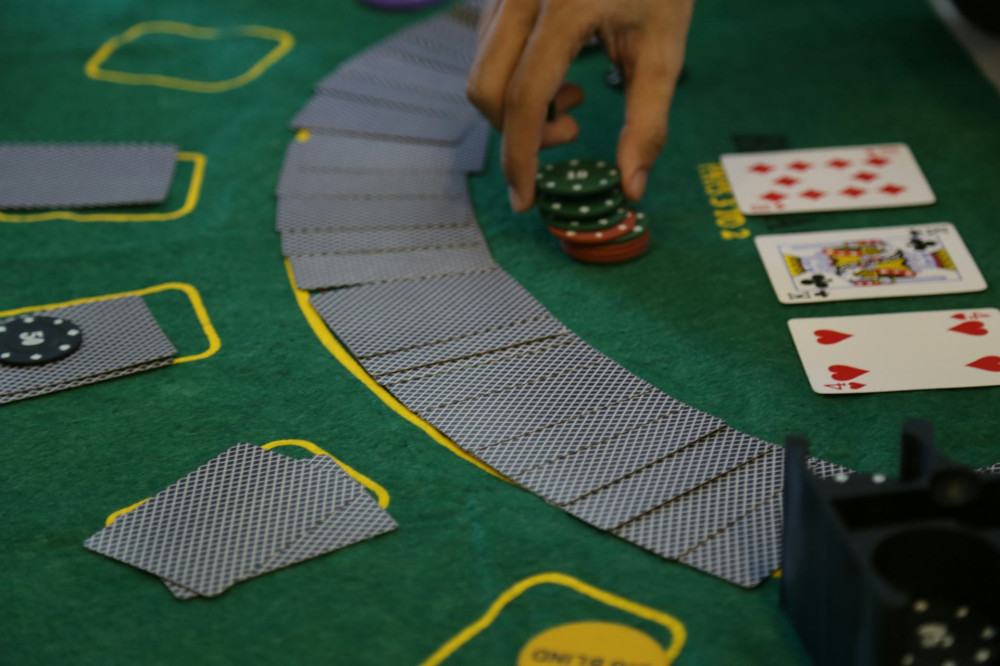
For example, a free poker app can help players practice reading probabilities and making decisions under pressure. Strategy games can teach planning and foresight. Even simple slot-style games can demonstrate how randomness works – and how little control players actually have over the outcome.
In this way, free games can serve as a kind of “training ground,” helping players distinguish between skill and luck. That’s an important lesson for anyone who might later consider playing for real money.
Læs også:


Entertainment Without Financial Pressure
One of the biggest advantages of free games is that they remove the financial pressure. Without money on the line, players can focus on the experience itself – the excitement, the challenge, and the social interaction. Many people play simply to relax, compete with friends, or enjoy a quick mental break.
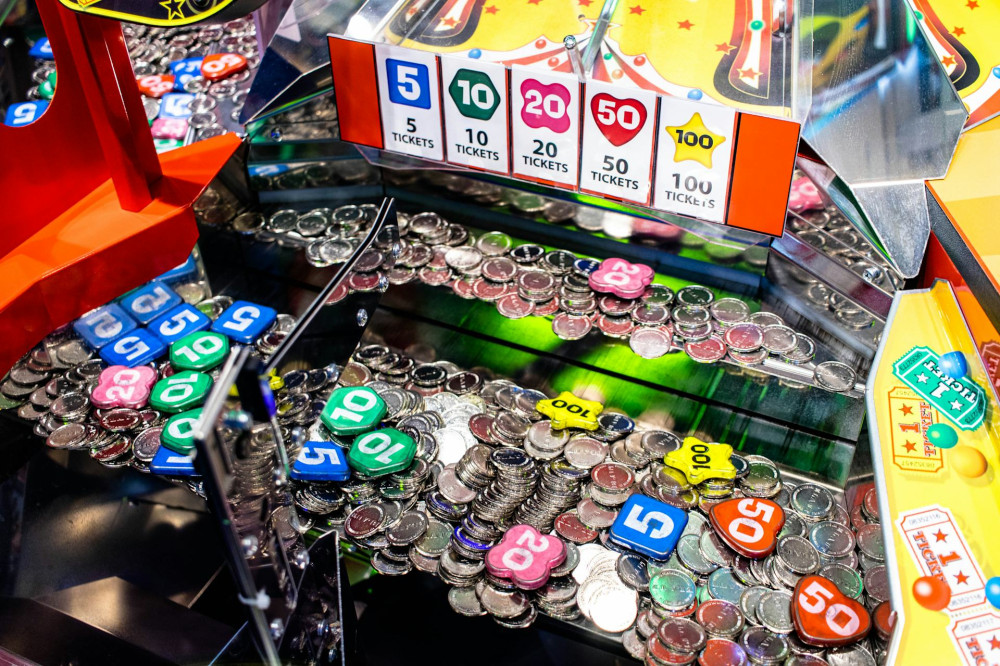
However, it’s worth remembering that even free games are often designed to keep players engaged. Reward systems, bright colors, and sound effects are frequently the same as those used in games involving real money. That’s why it’s important to be mindful of how much time you spend playing and what motivates you. Are you playing for fun – or chasing the next “win,” even when there’s no money involved?
When Free Games Become a Gateway
While free games don’t carry direct financial risk, they can sometimes act as an introduction to gambling. Many online casinos use free versions to attract new players. Once someone learns the rules and feels the thrill of winning, it can be tempting to try the “real” version.
That’s where self-awareness becomes crucial. The transition from free to paid play can happen gradually – and often without much thought. It’s important to recognize when entertainment starts turning into financial risk. A good question to ask yourself is: Would I still play this game if there were no chance of winning money?
Learning to See the Difference
Understanding the difference between entertainment and financial risk is about awareness. Free games can be fun and educational, but they shouldn’t be seen as a stepping stone to gambling. If you do choose to play for money, it should be within clear boundaries: a set budget, time limits, and an understanding that outcomes are always based on chance.
Parents can also help their children recognize this difference. Many young people encounter gambling-like mechanics in video games and apps – such as “loot boxes” or virtual rewards. Learning to identify these features early can help prevent unhealthy habits later in life.
Play Responsibly – Even When It’s Free
Free games can be an enjoyable and educational way to explore the world of gaming. They can teach strategy, probability, and decision-making – all without financial risk. But they can also create habits that make the leap to real-money play easier if you’re not careful.
That’s why it’s important to play responsibly – even when the game is free. Use these games as a way to learn, not to escape. And remember, the best reward isn’t the jackpot – it’s the insight you gain along the way.
Læs også: