Excitement and Reward: How Slot Machines Affect the Brain

Excitement and Reward: How Slot Machines Affect the Brain
When the reels spin and the symbols line up, something fascinating happens inside the brain. Slot machines are designed to trigger excitement, anticipation, and a sense of reward. But what exactly is going on in our minds when we press “spin”? And why can it be so hard to stop, even when we know the odds are against us?
Dopamine – The Brain’s Reward Signal
Every time we play a slot machine, the brain’s reward system lights up. This system involves areas such as the nucleus accumbens and the ventral tegmental area, where the neurotransmitter dopamine plays a key role. Dopamine is released when we experience something rewarding—whether it’s eating a favorite food, receiving a compliment, or winning a prize.
What makes slots unique is that dopamine isn’t only released when we win. It’s also released when we anticipate a possible win. Each spin creates a moment of suspense that the brain interprets as a potential reward. This combination of expectation and unpredictability is what makes slot machines so captivating.
The Power of Unpredictability
Slot machines operate on what psychologists call a variable reinforcement schedule—a reward system where wins occur unpredictably. Players never know when the next payout will come, and that uncertainty keeps them engaged.
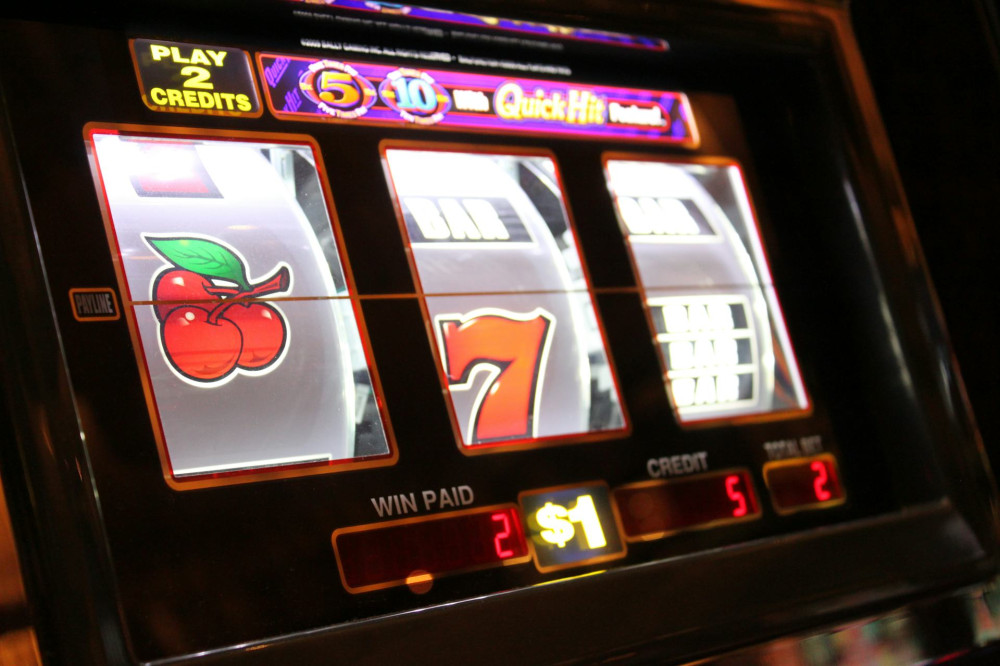
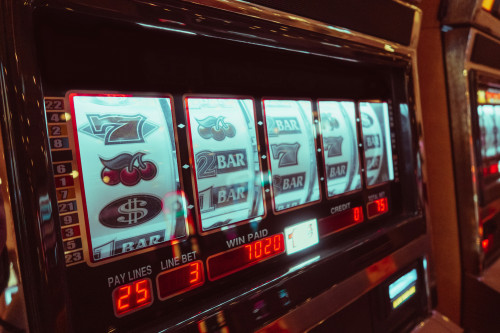
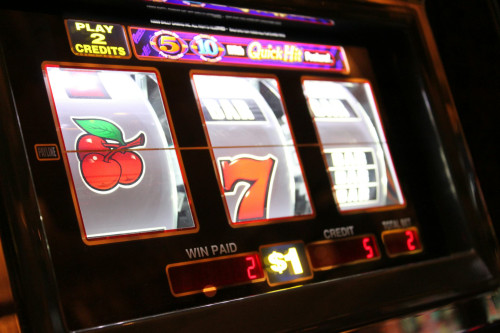
This same principle is used in other areas of modern life, from social media notifications to mobile games, but it’s especially powerful in slots. Even a “near miss”—when two matching symbols appear and the third just misses—can trigger a burst of dopamine. The brain perceives it as being close to success, motivating the player to try again.
Lights, Sounds, and Design – Engaging the Senses
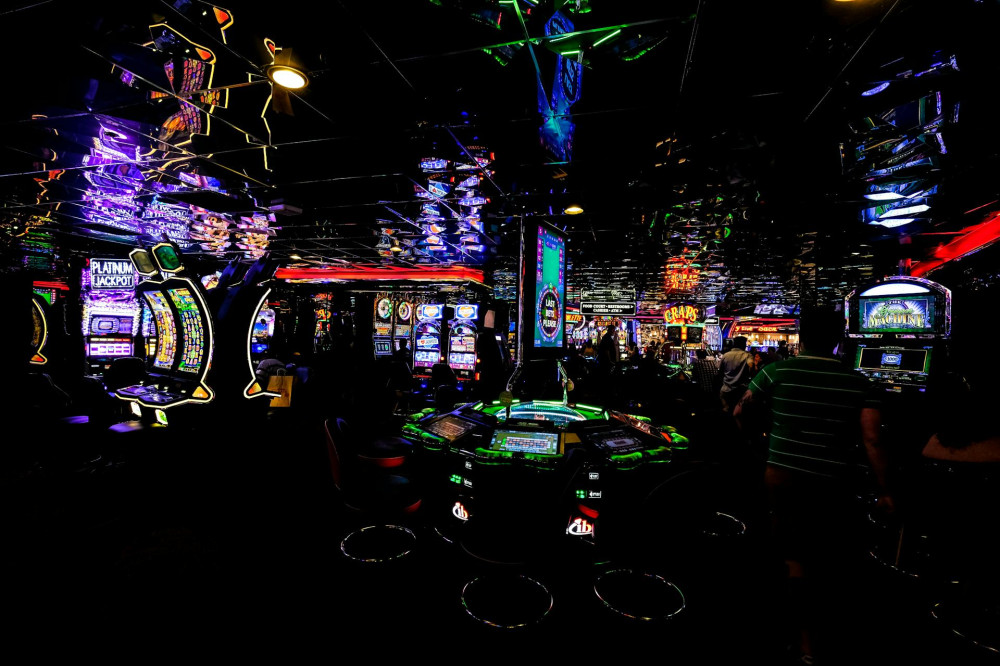
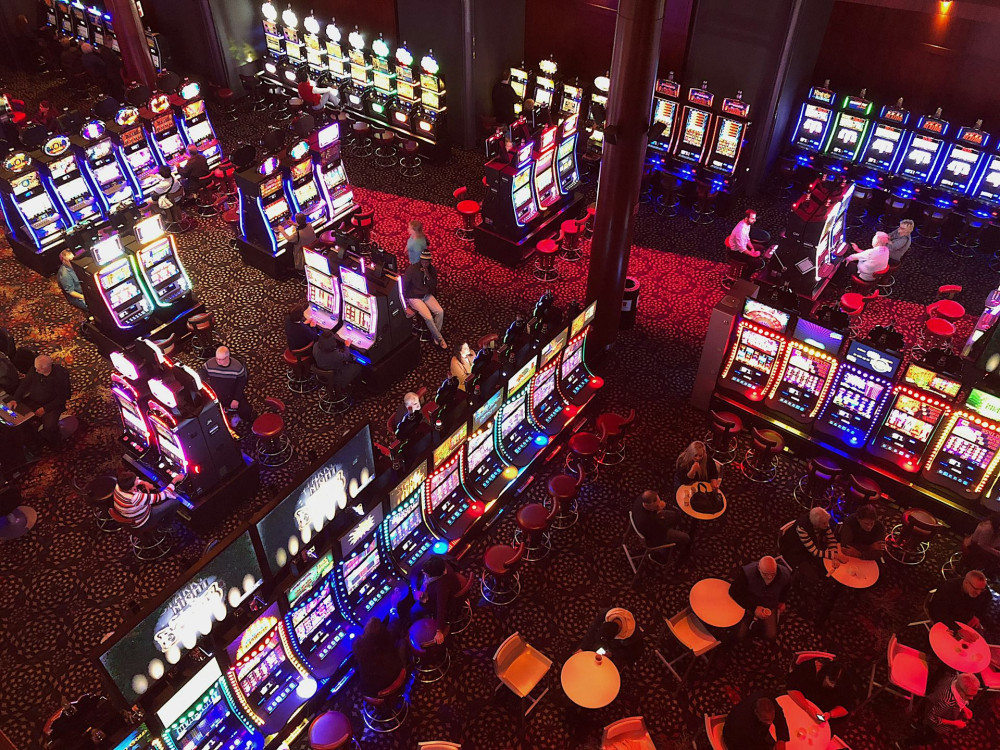
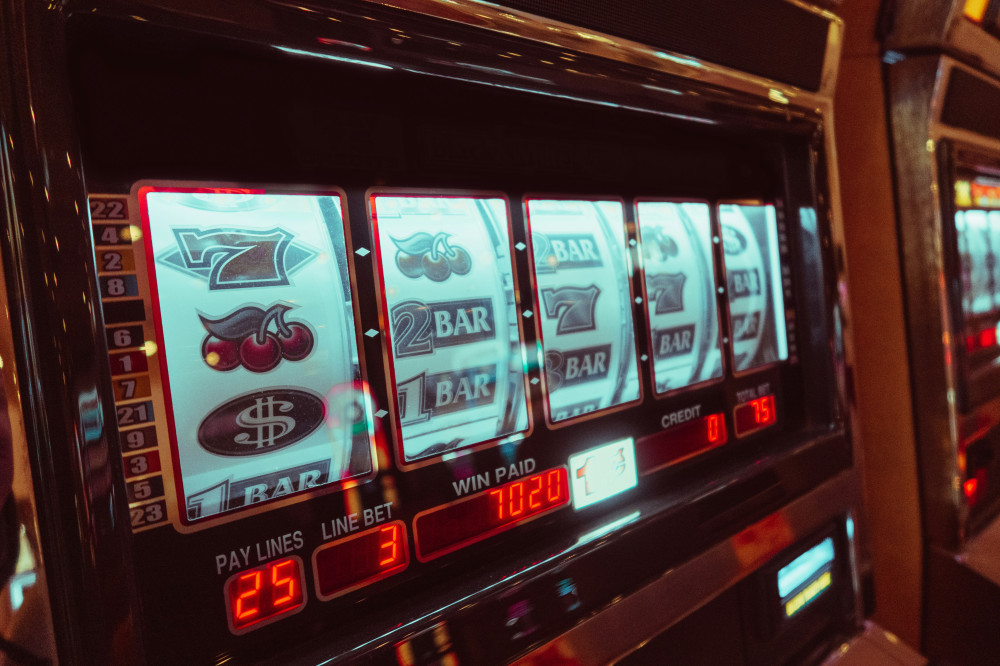
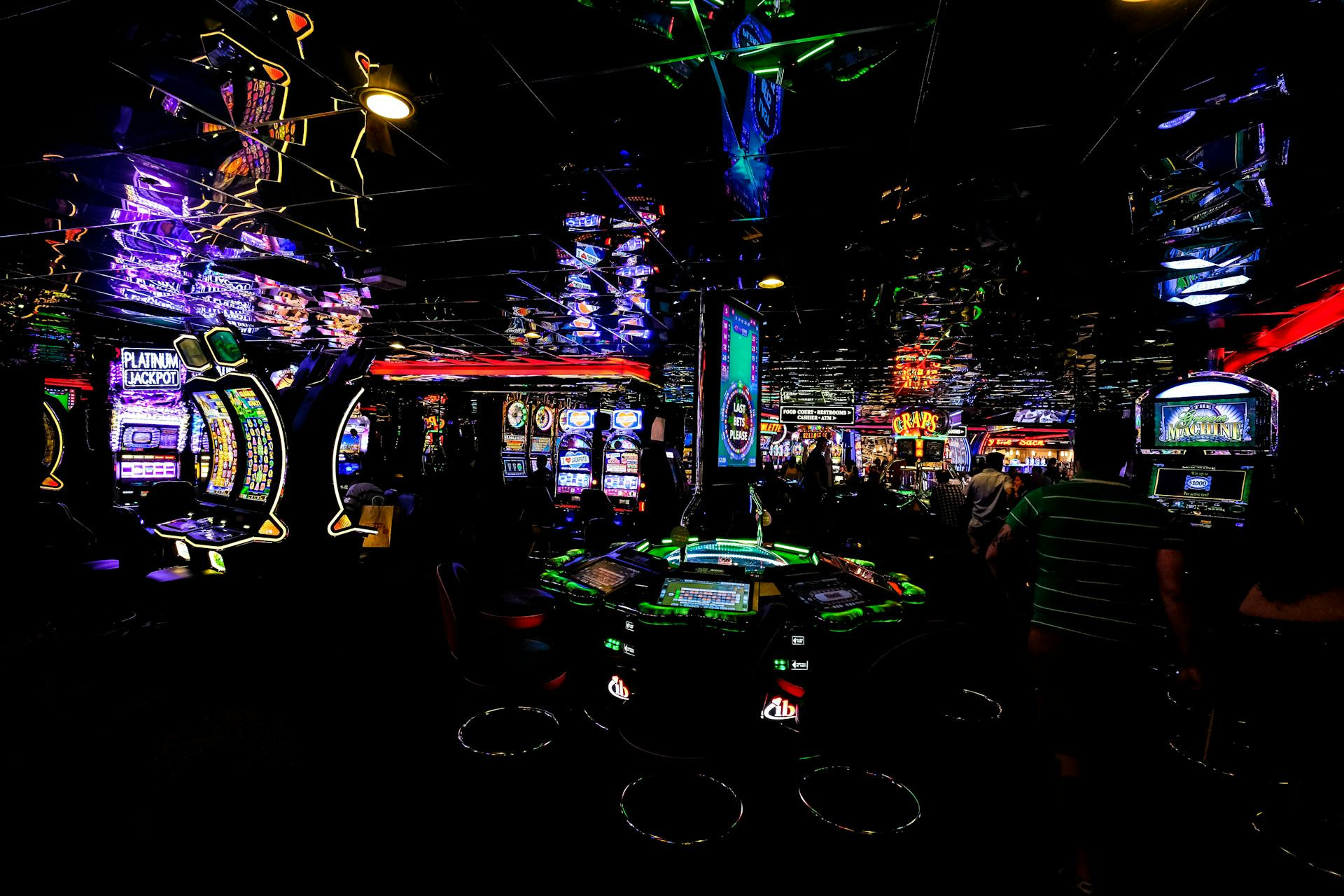
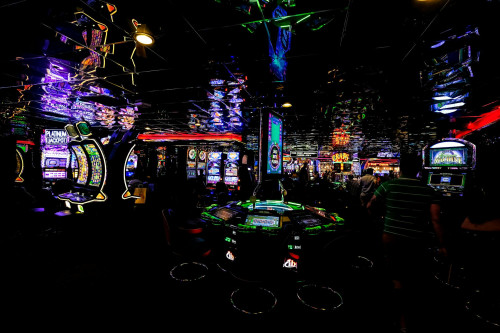
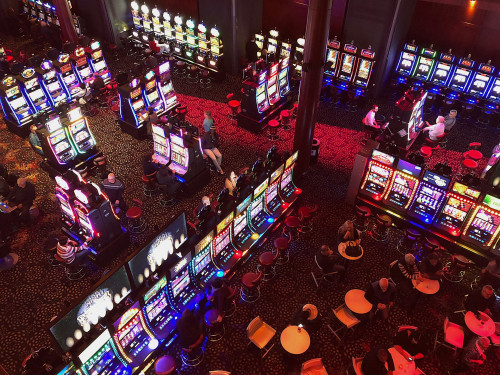
It’s not just the game’s structure that affects the brain. Slot machines are carefully designed to stimulate multiple senses at once. Flashing lights, colorful graphics, and distinctive sounds create an immersive experience that captures attention.
When a player wins—even a small amount—the machine responds with celebratory sounds and visual effects. These cues act as “micro-rewards,” reinforcing positive feelings and encouraging continued play. Even losses can feel less discouraging because the game often presents them in a way that still feels active or hopeful.
When the Game Takes Over
For most people, slot machines are a form of entertainment. But for some, the experience can become problematic. As the brain becomes accustomed to frequent dopamine surges, it may start craving them more and more—not necessarily for the money, but for the thrill itself.
Research has shown that people with gambling addiction often display changes in the brain’s reward system similar to those seen in substance addiction. This can weaken impulse control and make it difficult to stop playing, even when the rational mind knows the odds are slim.
Læs også:
Awareness and Balance
Understanding how the brain responds to slot machines can help players make more mindful choices. Knowing that excitement and dopamine release are part of the game’s design allows us to set boundaries and maintain control.
A good approach is to treat slot play as entertainment, not as a way to make money. Set clear limits on time and spending, and take regular breaks. That way, you can enjoy the excitement without letting the game take over.
The Dual Nature of the Game
Slot machines combine psychology, design, and technology in a way that directly taps into our natural reward systems. This dual nature—both entertaining and risky—is what makes them so intriguing. Understanding how the brain reacts isn’t just valuable for scientists and therapists; it’s useful for anyone who plays.
By recognizing the mechanisms behind the thrill, we can navigate the world of slots with both curiosity and caution—enjoying the excitement while keeping our minds in control.
Læs også: