Avoid Overestimating Your Hand – Learn Poker Hand Rankings


Avoid Overestimating Your Hand – Learn Poker Hand Rankings
Poker isn’t just a game of luck—it’s a game of skill, psychology, and probability. One of the biggest mistakes new players make is overestimating the strength of their hand. A single Ace or King might look powerful, but without understanding how poker hands are ranked, you can easily bet too much and lose big. Here’s how to evaluate your cards realistically and play with more confidence.
Know the Hierarchy – From Weakest to Strongest
Every poker game follows the same basic ranking of hands. Knowing which combinations beat others is essential for deciding whether to bet, call, or fold. Here’s the standard order, from lowest to highest:
- High Card – No combination; your highest card determines the hand’s value.
- One Pair – Two cards of the same rank, such as two Queens.
- Two Pair – Two different pairs, like two Kings and two Tens.
- Three of a Kind – Three cards of the same rank.
- Straight – Five cards in numerical sequence, such as 5‑6‑7‑8‑9, in any suit.
- Flush – Five cards of the same suit, not in sequence.
- Full House – A combination of three of a kind and a pair.
- Four of a Kind – Four cards of the same rank.
- Straight Flush – Five cards in sequence and of the same suit.
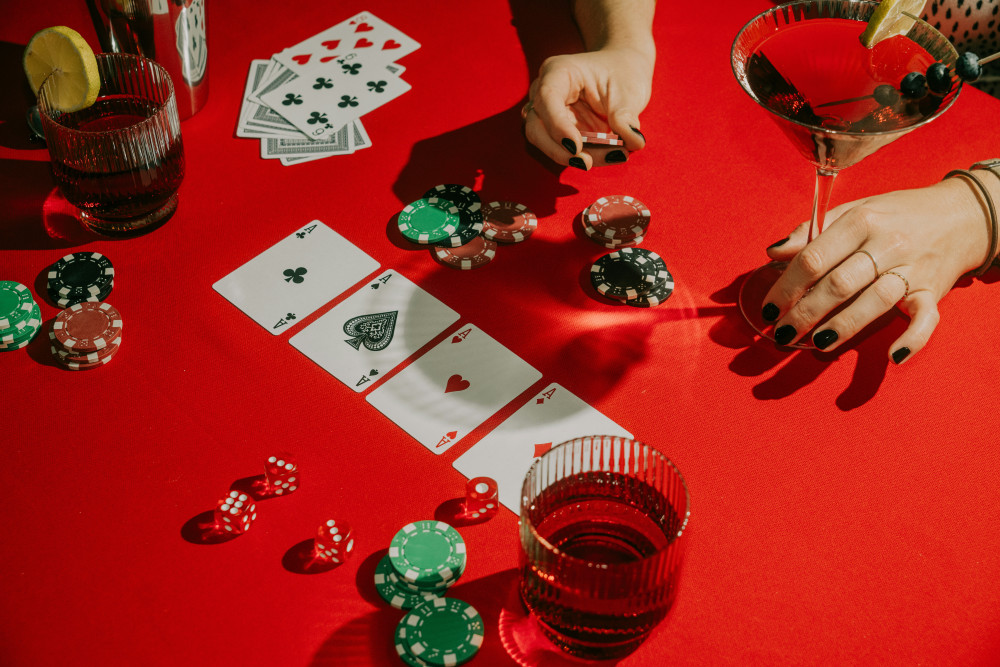
- Royal Flush – The rarest and strongest hand: 10‑J‑Q‑K‑A of the same suit.
Once you know this order, it becomes much easier to judge how strong your hand really is compared to your opponents’.
Common Mistakes – and How to Avoid Them
Even experienced players can get carried away by excitement. Here are some of the most frequent errors to watch out for:
- Overvaluing high cards. An Ace and a King look great, but if you don’t hit a pair or better on the board, your hand is often weak.
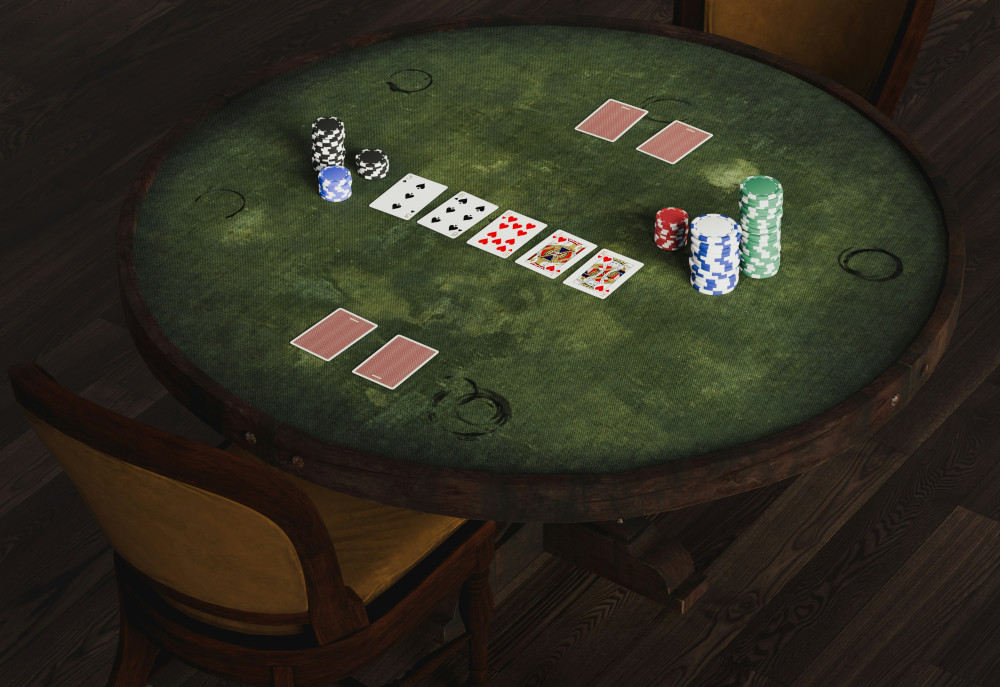
- Ignoring the board. Remember, everyone shares the community cards. If three cards of the same suit appear, someone might have a flush.
- Chasing lost hands. It’s tempting to stay in a hand because you’re “almost there,” but poker rewards patience, not stubbornness.
- Forgetting position. If you act early in a round, play more cautiously—you don’t yet know how others will respond.
By recognizing these pitfalls, you can avoid costly mistakes and play with more discipline.
Learn to Read the Board
Knowing your own cards is only half the battle. The other half is reading the board and your opponents. Ask yourself:
- What combinations are possible with the community cards?
- How likely is it that someone has a stronger hand than mine?
- How have my opponents been playing—aggressively or cautiously?
The better you get at analyzing the situation, the more accurately you can decide whether your hand is worth continuing.
Practice and Use Tools
There are plenty of ways to improve your understanding of poker hand rankings:
- Play free online games to gain experience without risking money.
- Use hand trainers or apps that show probabilities for different hands.
- Watch professional games and pay attention to how pros evaluate hands and positions.
The more you practice, the more instinctive your hand evaluation becomes—and the less likely you are to overestimate your cards.
Læs også:


Patience and Realism Pay Off
Poker is a long‑term game where smart decisions lead to success over time. It’s not about winning every hand, but about playing the right hands at the right moments. When you learn to distinguish between a mediocre hand and a strong one, you become a steadier, more strategic player.
So next time you’re dealt an Ace, take a moment to think: is it really as strong as it looks? Often, the answer is no—and that awareness is what separates seasoned players from beginners.
Læs også: